
Femoroacetabular Impingement (FAI) Treated in Arlington, VA
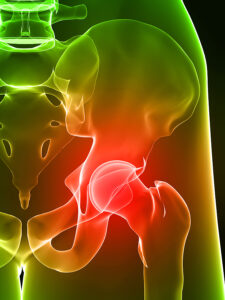
FAI is a painful condition characterized by an unusually shaped hip joint due to extra bone growth. In many cases, FAI is present at birth or develops during the early teenage years. As the ball of the hip joint (femoral head) rubs against the walls of its socket (acetabulum), painful friction is created that limits the range of motion in the hip.
Oftentimes, the first sign of FAI is vague pain at the front of the hip or in the groin area, which could be mistaken for a pulled muscle or hernia. Additionally, stiffness and tightness may develop in the hip after extended sitting. It is important to seek medical attention for these symptoms. If FAI is left untreated, the excessive contact between the ball and socket of the hip joint can gradually weaken the surrounding rim of cartilage (labrum), possibly causing it to tear.
The Diagnostic Process
If you are experiencing FAI symptoms, you can consult with an experienced hip specialist at
Nirschl Orthopaedic Center in Arlington, Virginia. Our renowned team includes board-certified, fellowship-trained orthopedic surgeons who specialize in treating complex hip conditions. To diagnose FAI, our team will generally review the symptoms, perform a physical examination and order imaging studies. One of the most helpful tools for evaluating the structure of the hip joint is an X-ray.
Nonsurgical Treatment
FAI treatment usually begins conservatively with physical therapy, which can stabilize the hip joint and the lumbar spine, and nonsteroidal anti-inflammatory drugs (NSAIDs) and/or ultrasound-guided cortisone injections, which can alleviate painful inflammation in the hip. In some cases, this approach is sufficient to reduce the contact between the femoral head and the acetabulum, but if the symptoms persist or worsen, our team may suggest hip surgery.
Surgical Treatment
When performing FAI surgery, our team may remove excess bone from the hip joint to create sufficient clearance for the labrum, then reattach the labrum to the acetabulum with surgical anchors. Most patients start performing passive range-of-motion exercises immediately afterward, then begin a formal physical therapy program in approximately two weeks.
At Nirschl Orthopaedic Center, we know that you have unique needs and deserve specialized treatment. Contact us at (703) 525-2200 to schedule an appointment.